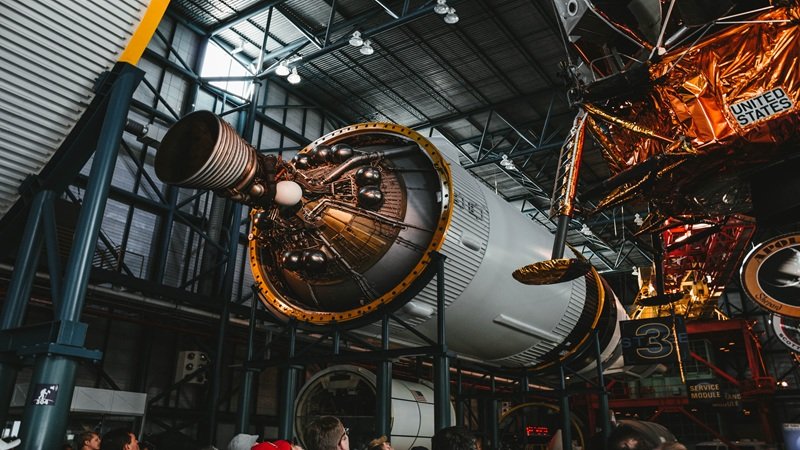
The rapid evolution of hypersonic systems has reshaped modern aerospace and defense strategies. Among the most significant breakthroughs in this field is the collaboration behind ursa major stratolaunch hypersonic technology, which has introduced a new era of reusable, high-cadence testing platforms. This partnership represents a shift from experimental limitations toward scalable, repeatable hypersonic flight operations.
In this comprehensive guide, we will explore how this collaboration works, why it matters, and what it means for the future of hypersonic propulsion, defense systems, and aerospace innovation.
Understanding Hypersonic Technology
Before diving into the partnership, it is essential to understand what hypersonic technology actually means. Hypersonic speeds refer to velocities exceeding Mach 5, which is five times the speed of sound. At these speeds, vehicles encounter extreme heat, pressure, and aerodynamic forces.
Hypersonic propulsion systems can include:
- Liquid-fueled rockets
- Solid rocket motors
- Scramjets (supersonic combustion ramjets)
- Dual-combustion ramjets
Despite the variety of propulsion types, most current systems rely heavily on rocket engines for sustained hypersonic performance. This is where innovative companies are making a difference.
The Rise of Ursa Major Technologies
Ursa Major Technologies has emerged as a key player in advanced propulsion systems. The company focuses on designing and manufacturing high-performance rocket engines using modern production techniques.
Key Innovations
Ursa Major stands out due to:
- Additive manufacturing (3D printing) for rapid production
- High-performance liquid rocket engines
- Scalable designs for commercial and defense applications
Their flagship engine, the Hadley, plays a central role in the advancement of Ursa Major stratolaunch hypersonic technology.
The Hadley Engine: Powering Hypersonic Progress
The Hadley engine is a 5,000-pound-thrust liquid rocket engine designed specifically for high-speed and small launch applications. It uses an oxygen-rich staged combustion cycle, which provides high efficiency and performance.
Why Hadley Matters
The Hadley engine offers several advantages:
- High reliability across multiple flights
- Efficient fuel consumption
- Compatibility with reusable systems
- Rapid manufacturing through 3D printing
As of April 2026, the engine has completed 10 consecutive successful flights, marking a major milestone in reusable hypersonic propulsion.
Stratolaunch and the Air-Launch Revolution
Stratolaunch brings a unique capability to the partnership through its massive carrier aircraft, Roc. This aircraft serves as a flying launch platform, enabling hypersonic vehicles to be deployed from high altitude.
Benefits of Air-Launch Systems
Air-launch technology provides several advantages:
- Increased flexibility in launch locations
- Reduced fuel requirements for initial ascent
- Faster turnaround between missions
- Lower operational costs
This approach significantly enhances the practicality of hypersonic testing.
Talon-A: The Hypersonic Testbed Vehicle
At the center of this collaboration is the Talon-A vehicle, a reusable hypersonic testbed designed for repeated missions.
Key Features of Talon-A
- Capable of reaching speeds above Mach 5
- Designed for payload testing
- Reusable with landing and recovery capability
The Talon-A2 (TA-2) variant has successfully demonstrated landing and recovery, proving that reusable hypersonic platforms are not only possible but practical.
A Breakthrough: Reusability and Recovery
One of the most important advancements in Ursa Major Stratolaunch hypersonic technology is reusability. Traditionally, hypersonic systems have been expendable, making testing expensive and infrequent.
Why Reusability Changes Everything
Reusability enables:
- Reduced cost per flight
- Faster testing cycles
- Increased data collection
- Sustainable long-term operations
The successful recovery of Talon-A vehicles demonstrates a shift toward aircraft-like operations for hypersonic systems.
The Hadley H13 Upgrade
In June 2025, Ursa Major received a $32.9 million contract to deliver 16 upgraded Hadley H13 engines. These engines represent the next step in performance and durability.
Improvements in Hadley H13
- Increased reusability
- More flights start per engine
- Enhanced thermal resistance
- Improved operational lifespan
These upgrades directly support higher mission frequency and reduced maintenance requirements.
Industrial-Scale Hypersonic Testing
One of the biggest challenges in hypersonic development has been limited testing capacity. Traditional systems cannot support frequent, repeatable tests.
The partnership behind Ursa Major Stratolaunch hypersonic technology addresses this issue by creating a high-cadence testing environment.
Key Outcomes
- Reduced bottlenecks in testing
- Faster development cycles
- More reliable performance data
- Support for government and commercial clients
This approach is especially valuable for defense organizations that require rapid innovation.
Beyond Hadley: The Draper Engine
While Hadley focuses on current hypersonic applications, Ursa Major is also developing the Draper engine, which introduces new capabilities.
Draper Engine Features
- Storable liquid propellant
- Throttleable operation
- Designed for hypersonic and counter-hypersonic missions
This engine expands the company’s portfolio and prepares it for future mission requirements.
HAVOC: A Complete Hypersonic System
In February 2026, Ursa Major unveiled the HAVOC system, a medium-range hypersonic platform designed for affordability and rapid deployment.
What Makes HAVOC Unique
- Designed for mass production
- Cost-effective compared to traditional systems
- Flexible for multiple mission types
The introduction of HAVOC shows that hypersonic technology is moving beyond experimental stages into practical deployment.
The Role of Additive Manufacturing
A major factor behind the success of ursa major stratolaunch hypersonic technology is additive manufacturing.
Advantages of 3D Printing in Aerospace
- Faster production cycles
- Reduced material waste
- Complex designs made easier
- Rapid prototyping and iteration
This manufacturing approach allows engineers to refine designs quickly and efficiently, accelerating innovation.
Who Uses Ursa Major Engines?
Ursa Major serves both commercial and defense customers. Some of its partners include:
- C6 Launch Systems
- Phantom Space
- Generation Orbit Launch Services
- Stratolaunch
These collaborations highlight the versatility of Ursa Major’s propulsion systems across different applications.
Global Competition in Hypersonics
The global race for hypersonic dominance continues to intensify. According to defense assessments, China currently leads in hypersonic missile development, with significant advancements in both conventional and nuclear capabilities.
Meanwhile, the United States focuses on:
- Reusable testing platforms
- Advanced propulsion systems
- Scalable manufacturing
The development of ursa major stratolaunch hypersonic technology plays a critical role in closing capability gaps.
Challenges in Hypersonic Defense
Hypersonic weapons present unique challenges due to their speed and maneuverability. Current defense systems struggle to intercept them effectively.
Key Issues
- Extremely high speeds (Mach 5+)
- Unpredictable flight paths
- Limited detection time
Although systems like THAAD provide a foundation, fully effective hypersonic defense solutions are still under development.
Speed Classifications Explained
Understanding speed categories helps put hypersonic technology into perspective:
- Transonic: Mach 0.8–1.3
- Supersonic: Mach 1.3–5
- Hypersonic: Mach 5–10
- High-hypersonic: Mach 10–25
Hypersonic vehicles operate in one of the most extreme environments in aerospace engineering.
Why This Partnership Matters
The collaboration between Ursa Major and Stratolaunch represents a turning point in hypersonic development.
Key Benefits
- Reliable and repeatable testing
- Reduced development costs
- Faster innovation cycles
- Scalable infrastructure
By combining advanced engines with air-launch platforms, this partnership creates a powerful ecosystem for hypersonic advancement.
Future Outlook
The future of hypersonic technology looks promising, especially with continued investment and innovation.
What to Expect
- More reusable hypersonic vehicles
- Increased testing frequency
- Advanced propulsion systems like Draper
- Wider adoption in commercial and defense sectors
As technology evolves, hypersonic systems will become more accessible and practical.
Conclusion
The emergence of ursa major stratolaunch hypersonic technology marks a significant milestone in aerospace innovation. By combining reusable vehicles, advanced propulsion systems, and air-launch capabilities, this partnership has transformed how hypersonic testing is conducted.
With proven flight success, scalable manufacturing, and ongoing advancements, this collaboration is paving the way for the next generation of high-speed systems. As a result, the aerospace industry is moving closer to achieving reliable, cost-effective, and repeatable hypersonic operations.
Ultimately, ursa major stratolaunch hypersonic technology is not just a technological achievement; it is a foundational step toward the future of global aerospace and defense innovation.